
Worldbuilding in the Space Squad 51 Universe…
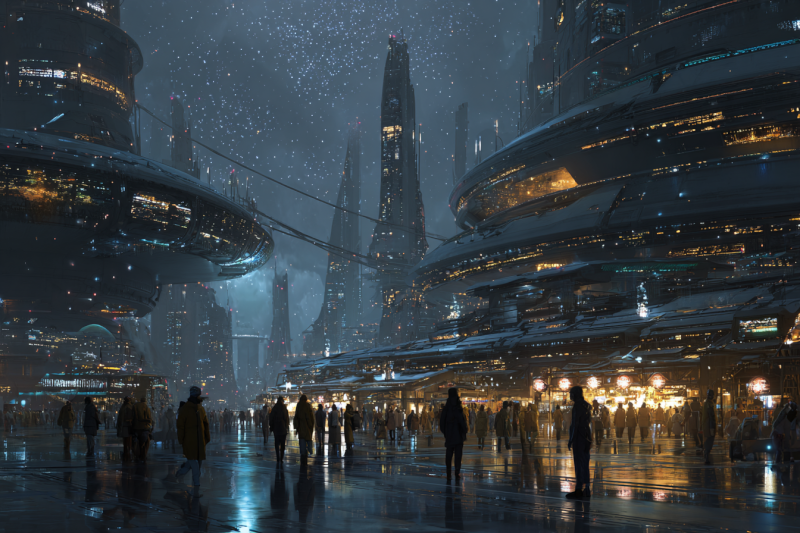
Life in the human colonies of the Sol system has evolved dramatically since the earliest settlements. The first colonies were established by corporations seeking to exploit the solar system’s resources. These settlements were rudimentary and barely habitable. Domes blocked out the sky but retained necessary oxygen and temperature. Citizens were forced to purchase air, food, power, and water rations to ensure they worked consistently. Housing and minimal healthcare were provided only as long as one remained employed. Life expectancy in colonies near Earth rarely exceeded forty years, and colonies beyond Saturn were harsher, with many citizens living less than twenty-five years.
Following the rebellion that overthrew corporate rule, life improved—but the colonies still faced finite resources. Citizens continued to purchase rations, primarily as incentives to maintain essential services. Today, only air rations remain, effectively functioning as a tax rather than a survival requirement.
Modern colonies feature transparent domes, acting as protective shields rather than physical barriers. This innovation allows cities to expand and gives citizens a view of the skies and the wonders of space. Urban design consists of towers, generally eight stories or shorter, with apartments, businesses, and services stacked vertically. Shops and services are concentrated on lower floors, making daily life convenient.
While the colonies are now safer and thriving, living in space remains dangerous. Orphaned children are a persistent societal challenge, and some necessary jobs—like mining—carry unavoidable risks. Each colony is governed by a governor and council, and while equality is widely promoted, human greed still exists, albeit less tolerated. Manufacturing robots is a priority to support the growing colonies and reduce human risk.
Colonial life is also full of unique traditions. Inside-Out Sock Day celebrates an old Mars corporate rule requiring workers to wear socks inside-out to prevent static buildup. Today, it’s marked by lavish sock fashions, parades, parties, and gift exchanges. Blue Scarf Day, observed across the Sol system, honors Thijin Ocklan and commemorates the rebellion that freed humanity from corporate rule.
From harsh beginnings to a thriving, organized society, life in the colonies is a testament to human resilience, adaptability, and a growing culture of creativity—even in the vacuum of space.