World Building Spotlight

Who Are The Rifters?


a worldbuilding post from the Rifters universe…

Rifters

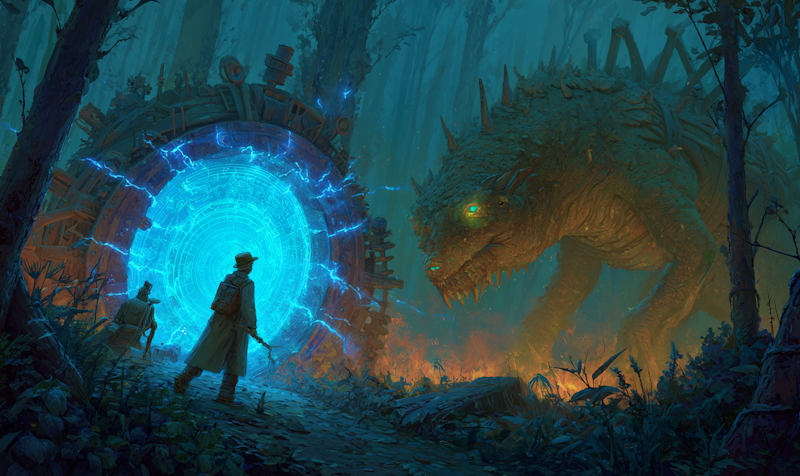
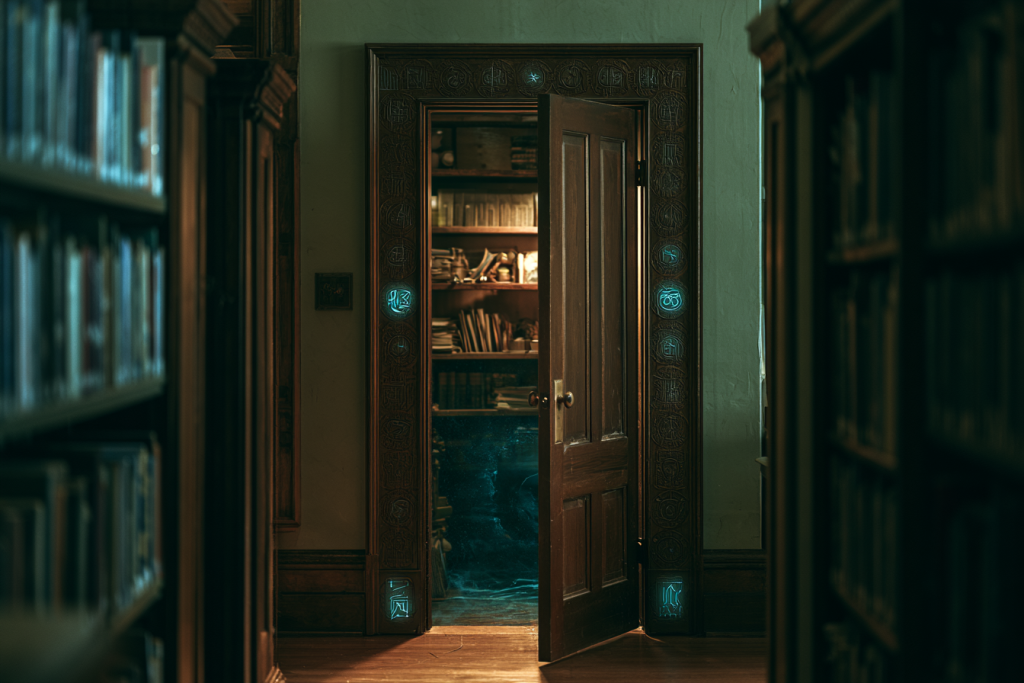
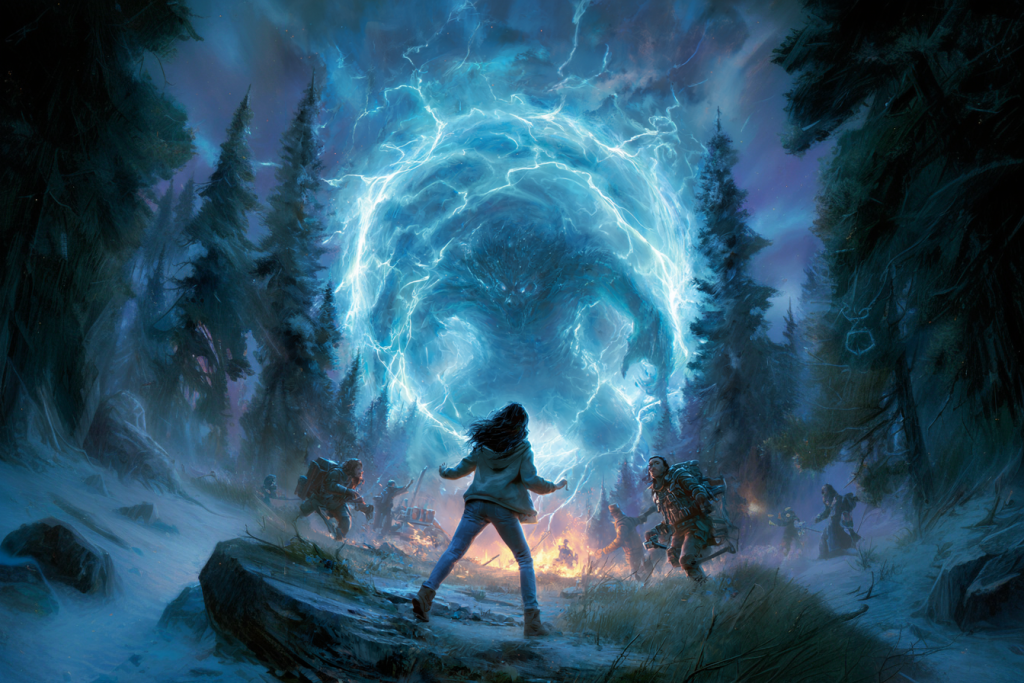
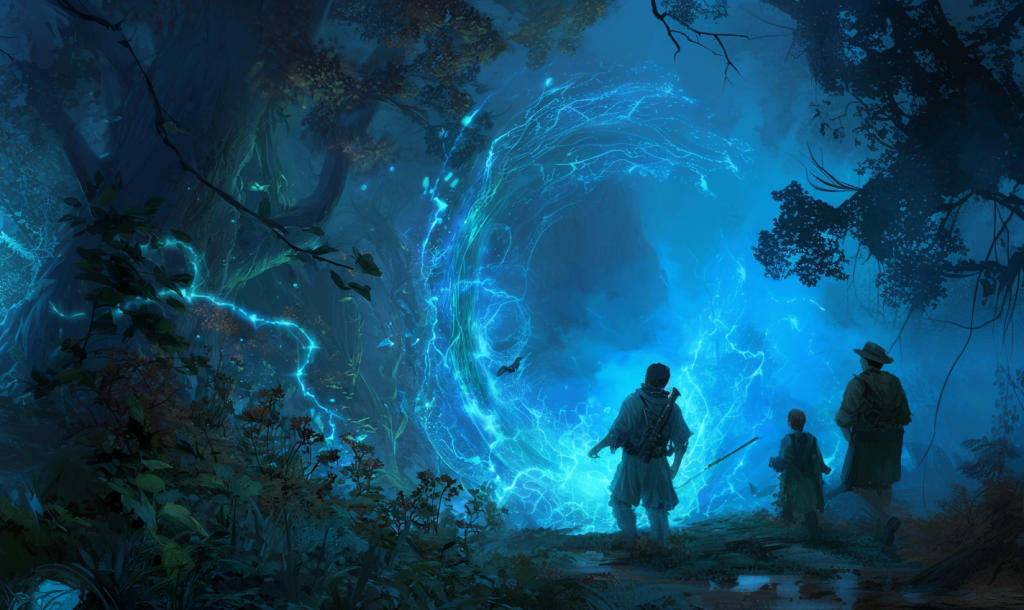
The Rifters are a specialized group of humans tasked with managing and interacting with the strange creatures that emerge from rifts in reality. Each Rifter holds a rank reflecting their skills, responsibilities, and experience. Only Envoys may step through the rift itself, and even then, only with permission from the Governors. The hierarchy ensures the rift and its inhabitants are respected, studied, and sometimes contained when necessary.

Ranks of the Rifters (in order):

  1. Initiate – The first step for those beginning their training in rift interaction. Initiates learn the fundamentals and work under more experienced Rifters.

  2. Reader – Experts at analyzing and interpreting the signs left by rift creatures. They use tools like optilyzers to “read” rift activity.

  3. Tracer – Skilled in tracking elusive creatures and following the subtle trails they leave behind.

  4. Hunt Master – Combat-focused Rifters who engage directly with dangerous creatures that emerge from the rift.

  5. Shield – Protectors who defend fellow Rifters and settlements, often working in pairs or teams.

  6. Peer – Senior Rifters who manage rift-related operations and mentor the lower ranks.

  7. Envoy – The top rank, Envoys are the only humans allowed through the rift when invited and report directly to the Governors. They lead the organization and guide future Rifters.


Characters and Their Ranks

  • Trinidad Cepeda (Reader) – Descendant of Patrick Swit and cousin to Culver Swit. Lives in a trailer with a garden of plastic flamingos that wear foil hats, and she wears foil hats herself, claiming the flamingos whisper messages. Gifted at reader rift sign-off of creatures using the optilyzers.

  • Francine Storm (Tracer) – Owner of the Settler General Mercantile. Expert at tracing the trails of elusive creatures that come through the rift.

  • Culver Swit (Shield) – Postman and local cable and internet provider. Descendant of Patrick Swit. Shares the rank of Shield with Charming. Went to school with fellow Rifters Wald Macadam and Vance Lambert.

  • Charming (Shield) – Paleontologist. Shares the rank of Shield with Culver.

  • Vance Lambert (Hunt Master) – Firefighter in town. Skilled creature fighter, trained to handle dangerous rift creatures.

  • Wald Macadam (Peer) – Assistant to County Commissioner Sabina Staley and second in command with the Rifters when dealing with the rift. A snazzy dresser with big dreams for Settlers’ future. Very loyal and persistent in combat or high-pressure situations.

  • Moses Kane (Peer) – Head of Forestry Services and a federal employee. Second in command when dealing with the rift. Highly competent and respected by the Rifters.

  • Sabina Staley (Envoy) – County Commissioner of Caslow County and top Rifter. She had big plans for her life in Portland but stayed in Settler after meeting a Centaur through the rift. Mentors Wald Macadam and manages Envoy-level interactions with the Governors. Highly competent and dedicated, with a storied past in Settler.

The Rifters are more than a hierarchy. They’re a tightly knit team built on trust and experience. Each Rifter is chosen by their peers and invited into the group; if someone in town discovers too much about the rift, they are invited to take the oath and join. Over the years, the Rifters have battled countless monsters, each encounter teaching them the importance of coordination and loyalty.

Communication with the Governors—the mysterious overseers of the rift—is strictly controlled. Messages arrive via an old electric typewriter and rotary phone in the county offices. Wald Macadam handles the incoming messages but cannot initiate communication; only Sabina Staley, the Envoy, is allowed to interact directly.

Sabina may seem a bit crusty at first, but she is actually kind, highly astute, and fiercely protective of her group. She coordinates combat with rift beasts and organizes the Rifters’ work with precision. Wald is equally organized, but still learning to think quickly on his feet in the heat of battle. The others work to support him, knowing Sabina intends for him to take over when she retires.

Every Rifter must trust each other without question. Their unity is what keeps humanity safe. Without it, Earth would already be under the rule of the very creatures they work so hard to contain.

Who Are The Rifters? Read More »

Stained Glass Skin: The Tattoos That Power the Rifters

In the world of Rifters, tattoos aren’t just decoration — they’re a survival tool, a weapon, and maybe even something more sinister.

Rifters tattoo

These tattoos bind Rifters to the rift, a tear in the fabric of reality that connects our universe to forty-one others. They’re the only reason Rifters can stand against the creatures and chaos visiting from another universe. But nothing tied to the rift is ever simple.


The Power Beneath the Skin

Most times, a Rifter’s skin looks untouched. But when the rift opens, or something from the rift remains on Earth, the stained glass panels light up. Blue and purple panels glow with embedded copper circuitry. These tattoos enhance the Rifter’s health, stamina, strength, and speed. They heal faster. They can run farther. They can survive wounds that might otherwise cripple or kill them.

They have to. If they fail, Earth will be invaded by another universe.


Where the Tattoos Came From

The tattoos weren’t designed in a back alley or tattoo parlor. Their origin traces back to the Governors, beings who oversee the rift from another universe. It was the Governors who first introduced the technology allowing humans to carry these marks.

Why? No one knows for sure. Mercy, necessity… or something darker.

What is known is that the inks used to craft the tattoos are special, kept locked away in the county commissioner’s office under strict control. Only a select few know how to apply them.


The Inks and Energy

The ink isn’t just pigment. It’s infused with something alien, something drawn from the rift itself. When the tattoos activate, the wearer becomes more than human. For a moment, connected to the energy of forty-one other universes, they become superhuman.

But that power isn’t free.


A Darker Purpose

The Rifters’ tattoos may grant power, but their true purpose remains a mystery.

Some believe they’re tools of protection. But the Governors don’t always have good intentions. Maybe the tattoos are a leash, a tracking system, or something worse—a conduit for the Governors to draw energy, or influence, or control from those who wear them.

No one dares ask too loudly.


The Cost of Power

Every Rifter knows the feeling when their tattoos flare to life—the tug in their bones, the electric hum in their skin, the sense they are connected to something vast, unknowable, and dangerous.

The tattoos make them stronger. But at what cost?

As one Rifter once said:

“The tattoos make us stronger. But sometimes, I believe it divides me from the rest of the human race.”


Discover the World of the Rifters

Want to learn more about the Rifters, the rift, and the hidden dangers lurking behind the tattoos?
Start the adventure with Book 1 – The Rifters and explore a world where survival depends on stained glass skin and the secrets written beneath. The first book in the series is free everywhere!

📚 [The Rifters Series → Rifters

Stained Glass Skin: The Tattoos That Power the Rifters Read More »

Worldbuilding Spotlight: Life in the Colonies


Worldbuilding in the Space Squad 51 Universe…

science fiction worldbuiliding

Life in the human colonies of the Sol system has evolved dramatically since the earliest settlements. The first colonies were established by corporations seeking to exploit the solar system’s resources. These settlements were rudimentary and barely habitable. Domes blocked out the sky but retained necessary oxygen and temperature. Citizens were forced to purchase air, food, power, and water rations to ensure they worked consistently. Housing and minimal healthcare were provided only as long as one remained employed. Life expectancy in colonies near Earth rarely exceeded forty years, and colonies beyond Saturn were harsher, with many citizens living less than twenty-five years.

Following the rebellion that overthrew corporate rule, life improved—but the colonies still faced finite resources. Citizens continued to purchase rations, primarily as incentives to maintain essential services. Today, only air rations remain, effectively functioning as a tax rather than a survival requirement.

Modern colonies feature transparent domes, acting as protective shields rather than physical barriers. This innovation allows cities to expand and gives citizens a view of the skies and the wonders of space. Urban design consists of towers, generally eight stories or shorter, with apartments, businesses, and services stacked vertically. Shops and services are concentrated on lower floors, making daily life convenient.

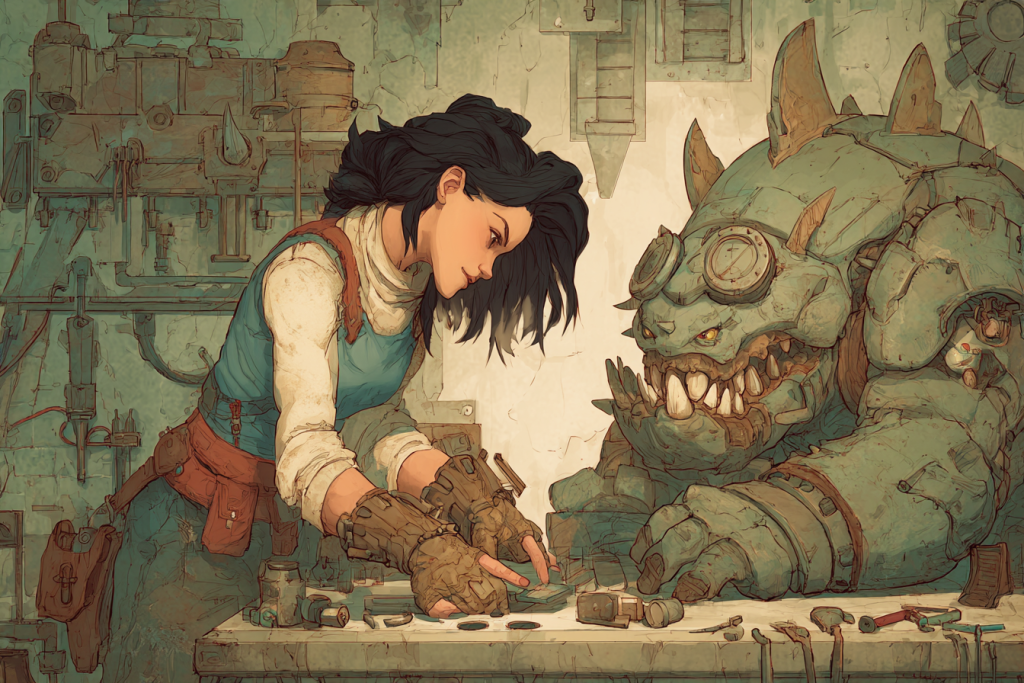
While the colonies are now safer and thriving, living in space remains dangerous. Orphaned children are a persistent societal challenge, and some necessary jobs—like mining—carry unavoidable risks. Each colony is governed by a governor and council, and while equality is widely promoted, human greed still exists, albeit less tolerated. Manufacturing robots is a priority to support the growing colonies and reduce human risk.

Colonial life is also full of unique traditions. Inside-Out Sock Day celebrates an old Mars corporate rule requiring workers to wear socks inside-out to prevent static buildup. Today, it’s marked by lavish sock fashions, parades, parties, and gift exchanges. Blue Scarf Day, observed across the Sol system, honors Thijin Ocklan and commemorates the rebellion that freed humanity from corporate rule.

From harsh beginnings to a thriving, organized society, life in the colonies is a testament to human resilience, adaptability, and a growing culture of creativity—even in the vacuum of space.

Worldbuilding Spotlight: Life in the Colonies Read More »

Worldbuilding Spotlight: Space Travel in the Sol System


Worldbuilding the Space Squad 51 Universe…

science fiction worldbuilding

Space travel is the lifeblood of the Sol system, connecting colonies scattered across planets, moons, and the far reaches of the Oort Cloud. Citizens of both the Inner and Outer Sol rely on spaceships of all shapes and sizes to travel between colonies, though most colonists never leave the world they were born on.

For those who do venture into the stars, opportunities abound. Some salvage abandoned ships and space debris, others transport cargo, and a few operate traveling businesses that journey from colony to colony. Among the more whimsical creations are amusement ships, mobile amusement parks that bring fun and entertainment to different worlds.

Most ships are capable of both atmospheric flight and deep-space travel, while others are designed for shorter journeys within a single colony’s skies. Orbital Rescue Services (ORS) employs ships called Hueys, reminiscent of Earth’s helicopters, paying homage to the early days of human rescue operations. CHOPs maintains a small armed fleet to protect the Sol and patrol its borders, but beyond that, ships are largely private and come in endless variations.

Every ship has an onboard AI to assist with navigation and operation. Interestingly, Outer Sol citizens often upgrade their AIs with more personality, despite these enhancements being illegal. Outlings must hide these upgrades from authorities, giving their ships a clandestine charm.

Humans have colonized as far as Planet X and explored partway into the Oort Cloud, but interstellar travel beyond the solar system remains unachieved. While humanity has yet to meet extraterrestrial life—aside from the carnivorous moss balls on Spaceberg—recent breakthroughs in fusion propulsion promise the first mission beyond the Sol system. A new era of long-term space travel is on the horizon, and the stars may finally be within humanity’s reach.

Worldbuilding Spotlight: Space Travel in the Sol System Read More »

Worldbuilding Spotlight: CHOPs, Governing the Sol


Worldbuilding from the Space Squad 51 Universe…

SCIENCE FICTION WORLDBUILDING

CHOPs, the Council of Human Occupied Planets, is the governing body of the entire Sol system. It is made up of representatives from every planet and colony. Some are elected, some appointed. That depends on the local governance of each colony.

The main headquarters is located on Ganymede, which often ruffles moods in the Outer Sol due to its conspicuous location in the Inner Sol. To ease this tension, CHOPs has established a secondary headquarters on Charon, ensuring a balance between the Inner and Outer Sol territories.

CHOPs’ responsibilities are wide-ranging and essential for the stability of human civilization across the solar system. They oversee trade, resource distribution, and disputes between colonies, while promoting scientific research and innovation. The council ensures colonies thrive, sets guidelines for organizations like Orbital Rescue Services (ORS) and the Disaster Aversion Team (DAT).

It also handles law, trials, and sentencing. With a goal of rehabilitation over punishment, CHOPs maintains a small network of prisons while often turning a blind eye to smuggling and the less aggressive ventures of Space Barons. Patrolling and dealing with space pirates is  left to the Outer Sol unless they threaten Inner Sol territories.

CHOPs also governs Earth’s recovery, approving which citizens may return and ensuring they provide essential services to maintain or improve the planet’s state. Beyond Earth, CHOPs supports dome and shield infrastructure on the colonies, offering a sense of stability and long-term sustainability to all human-occupied worlds.

From legal oversight to scientific advancement, CHOPs is the backbone of human society in the Sol system—an intricate organization that came into existence shortly after the colonies overthrew the corporations. It continues to keep a sprawling interplanetary civilization running.

Worldbuilding Spotlight: CHOPs, Governing the Sol Read More »

Worldbuilding Spotlight: Disaster Aversion Team (DAT)

Worldbuilding from the Space Squad 51 Universe…

Space Squad 51 science fiction series

After the chaos of Spaceberg, Nikili Echols was offered a promotion within the Orbital Rescue Services (ORS). Instead of climbing the ranks, she chose a different path—devoting herself to preventing another disaster of that scale from ever happening again. Her reward was the privilege of naming and shaping a brand-new organization: the Disaster Aversion Team (DAT).

ORS vs. DAT

The ORS operates much like traditional firehouses—localized, community-based, and only loosely connected. While they can coordinate across districts, communication isn’t instantaneous and usually only happens in extreme emergencies.

By contrast, DAT is designed to keep an eye on the solar system as a whole. Its purpose is to anticipate trouble before it strikes and reallocate resources where they’re needed most. If ORS is about immediate response, DAT is about foresight and prevention.

Structure & Style

DAT borrows heavily from ORS, keeping the familiar hierarchy of chief, captain, lieutenant, responders, and cadets. The ships are the same iconic design—patterned after a Huey helicopter and painted in vivid red for instant recognition. The uniforms echo those of ORS as well. These similarities exist because Nikili never stopped loving ORS; she wanted DAT to honor its roots while broadening its reach.

A Strategic Base on Rhea

Nikili chose to base DAT on Rhea, one of Saturn’s moons. From this vantage point, DAT can reach both the Inner and Outer Sol efficiently. Rhea also houses the top university in the solar system, giving DAT direct access to cutting-edge research and some of the brightest minds humanity has to offer.

The Sinclair Storm & Growing Pains

DAT is still young, and its systems are untested. With the looming threat of the Sinclair Storm, the team is scrambling to deploy GravoNets—experimental technology designed to shield colonies from catastrophic harm. Whether the nets will be ready in time is still uncertain.

For now, DAT is in its infancy, but Nikili dreams big. Her vision is clear: a system-wide safety net ensuring that every citizen of Sol can live without fear of another Spaceberg.

Worldbuilding Spotlight: Disaster Aversion Team (DAT) Read More »

Scroll to Top